

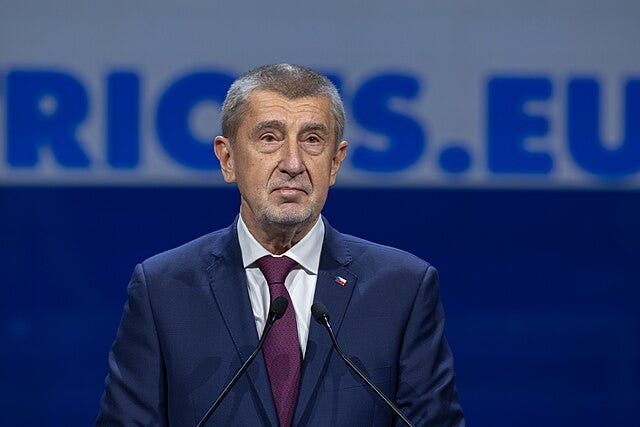
A coalition of far-right and populist parties in the Czech Parliament has rejected a motion to lift the parliamentary immunity of Prime Minister Andrej Babiš, preventing prosecutors from moving forward with legal proceedings linked to a long-running European Union fraud investigation.
The vote took place in the Chamber of Deputies, where lawmakers considered a request from prosecutors seeking permission to continue investigating Babiš over alleged misuse of EU subsidies. The case is connected to the so-called “Stork’s Nest” project, which allegedly received European funds intended for small businesses despite being linked to Babiš’s larger corporate empire.
Parties aligned with Babiš joined forces with far-right lawmakers to block the request, allowing the prime minister to retain immunity from prosecution while he remains in office. Critics argue the vote represents a political shield against judicial scrutiny and undermines efforts to enforce anti-corruption rules related to EU funding.
The Stork’s Nest case has been one of the most controversial political scandals in the Czech Republic in recent years. Investigators have examined whether the project was deliberately structured to qualify for EU subsidies reserved for small enterprises. Babiš has repeatedly denied wrongdoing and has described the accusations as politically motivated.
Opposition parties condemned the parliamentary decision, arguing that it weakens the rule of law and damages public trust in democratic institutions. They say elected officials should not be protected from legal accountability when credible allegations of fraud are under investigation.
The vote also illustrates the growing influence of far-right and populist forces within the Czech political landscape. By supporting Babiš in the immunity vote, these parties effectively prevented prosecutors from advancing the case, raising concerns among critics about political interference in corruption investigations tied to EU funds.
Source: